
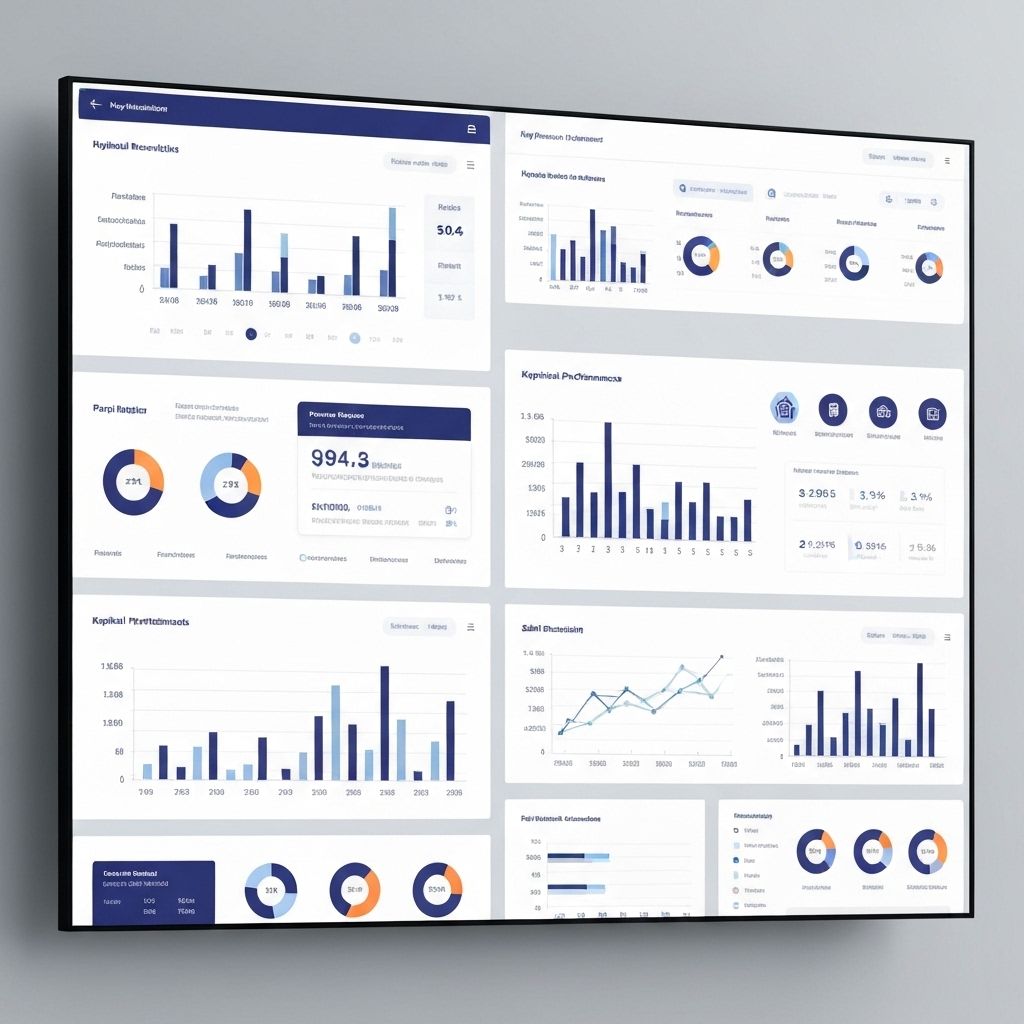
Real-world evidence (RWE) has become essential for rare disease therapies. With small patient populations and limited clinical trial data, RWE helps demonstrate long-term safety, effectiveness, and value to regulators and payers. But generating high-quality RWE requires careful planning, robust data collection, and rigorous analysis.
Why RWE Matters for Rare Disease
Traditional clinical trials in rare disease face significant challenges: small patient populations, high costs, long timelines, and limited generalizability. RWE addresses these limitations by:
- Capturing data from broader, more diverse patient populations
- Tracking long-term outcomes beyond clinical trial endpoints
- Demonstrating real-world effectiveness in routine clinical practice
- Supporting post-market surveillance and safety monitoring
- Providing evidence for payer negotiations and reimbursement decisions
Regulatory perspective: The FDA's 21st Century Cures Act explicitly encourages the use of RWE to support regulatory decisions, particularly for rare diseases where traditional trials are challenging.
Designing Your RWE Program
Successful RWE programs start with clear objectives and thoughtful design. Consider these key elements:
1. Define Your Research Questions
What do you need to prove? Common RWE objectives include:
- Long-term safety and tolerability
- Real-world effectiveness vs. clinical trial efficacy
- Quality of life improvements
- Healthcare resource utilization and cost-effectiveness
- Treatment adherence and persistence
- Comparative effectiveness vs. standard of care
2. Select Appropriate Data Sources
RWE can be generated from multiple sources:
- Patient-reported outcomes (PROs): Direct patient input on symptoms, function, and quality of life
- Electronic health records (EHRs): Clinical data from routine care
- Claims data: Healthcare utilization and costs
- Registry data: Disease-specific longitudinal data
- Wearable devices: Continuous monitoring of physiological parameters
3. Ensure Data Quality and Validity
RWE is only as good as the data it's based on. Implement rigorous data quality measures:
- Use validated instruments (ePROs, clinical assessments)
- Implement automated data validation and quality checks
- Maintain detailed audit trails for regulatory compliance
- Ensure data completeness through patient engagement strategies
- Follow GxP and 21 CFR Part 11 requirements
Implementing Your RWE Program
Once designed, successful implementation requires attention to several critical factors:
Patient Recruitment and Retention
High-quality RWE requires consistent, long-term data collection. Strategies for maintaining patient participation include:
- Minimize patient burden through streamlined data collection
- Provide immediate value to patients (symptom tracking, educational content)
- Engage caregivers as partners in data collection
- Offer flexible data collection methods (app, web, phone)
- Maintain regular communication and support
Clinician Engagement
Clinicians play a crucial role in RWE programs. Make it easy for them to participate by providing:
- Intuitive portals for reviewing patient data
- Integration with existing EHR workflows
- Automated alerts for concerning patient trends
- Minimal additional documentation burden
- Clear value proposition (better patient monitoring, research contribution)
"The key to successful RWE generation is making data collection seamless for both patients and clinicians. If it feels like extra work, compliance drops and data quality suffers."
— Dr. Emily Rodriguez, Principal InvestigatorAnalyzing and Leveraging Your RWE
Once you've collected high-quality data, the real work begins: analysis and application.
Statistical Considerations
RWE analysis requires different approaches than traditional clinical trials:
- Account for missing data and loss to follow-up
- Use appropriate methods for observational data (propensity scoring, instrumental variables)
- Consider confounding factors and selection bias
- Employ sensitivity analyses to test robustness of findings
- Engage biostatisticians experienced in RWE methodologies
Regulatory Submissions
When using RWE for regulatory purposes:
- Engage with regulators early to align on study design and endpoints
- Document data quality and validation procedures thoroughly
- Provide transparency about limitations and potential biases
- Follow FDA guidance on RWE for regulatory decision-making
- Consider pre-specified analysis plans to enhance credibility
Payer Negotiations
RWE can be powerful in demonstrating value to payers:
- Show real-world effectiveness in diverse patient populations
- Demonstrate impact on healthcare resource utilization
- Provide evidence of quality of life improvements
- Support value-based contracting arrangements
- Enable outcomes-based pricing models
Common Pitfalls to Avoid
Learn from others' mistakes:
- Starting too late: Begin RWE collection at launch, not years later
- Overcomplicating data collection: More data isn't always better—focus on what matters
- Ignoring data quality: Garbage in, garbage out applies to RWE
- Underestimating patient burden: High burden = low compliance = poor data
- Failing to engage stakeholders: Get buy-in from patients, clinicians, and payers early
The Future of RWE in Rare Disease
RWE is becoming increasingly sophisticated with advances in technology and analytics. Emerging trends include:
- AI-powered predictive analytics for early intervention
- Integration of genomic and biomarker data
- Real-time data collection from wearables and sensors
- Decentralized trial designs incorporating RWE
- Patient-led research initiatives and data sharing
Conclusion
Generating high-quality RWE for rare disease therapies is challenging but essential. By carefully designing your program, implementing robust data collection methods, and analyzing data rigorously, you can create evidence that supports regulatory approvals, payer negotiations, and ultimately, better patient outcomes.
Ready to Build Your RWE Program?
Mahalo's platform is purpose-built for generating regulatory-grade RWE in rare disease. Let's discuss your specific needs.
Schedule a Consultation